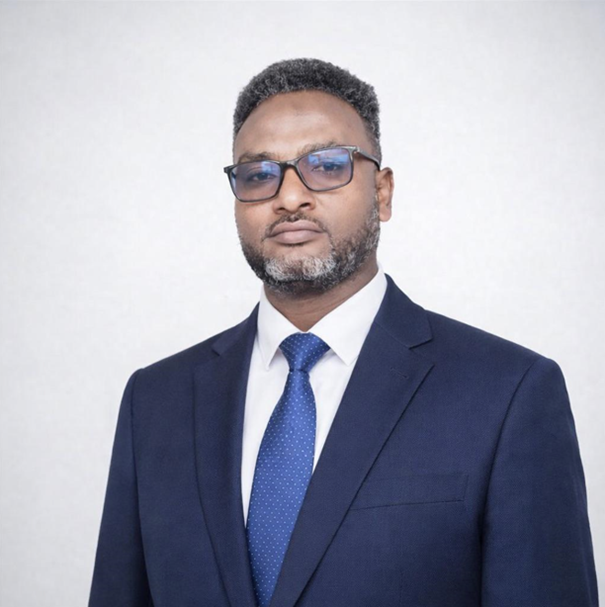
Colonel Gosaye Tilahun Zeleke is a senior Disarmament, Demobilization, and Reintegration (DDR) professional, researcher, and trainer with more than 20 years of military leadership and security sector experience at tactical, operational, and strategic levels. Holding the rank of Colonel, he possesses extensive experience in command, stabilization operations, and institutional management.
Currently, he serves as a Demobilization Advisor supporting Ethiopia’s National DDR Programme under the United Nations Development Programme (UNDP), in collaboration with the Ethiopian National Rehabilitation Commission (NRC). Since the signing of the Pretoria Peace Agreement in November 2022, Colonel Gosaye has been actively engaged in implementing Ethiopia’s national DDR process, contributing to the successful demobilization and reintegration of more than 87,000 ex-combatants across Tigray and other regions—a public contribution recognized through national media and partner reports.
Gosaye Tilahun Zeleke is highly experienced in the implementation of the United Nations Integrated Disarmament, Demobilization and Reintegration Standards (IDDRS), including rehabilitation programming, psychosocial support, civic training systems, and WAM. Professionally, he specializes in bridging high-level strategic coordination with federal institutions, UN agencies, and international partners.
He holds a Master’s Degree in Peace and Security Studies and a Master’s Degree in Business Leadership, both from Addis Ababa University.
To read more about Colonel Gosaye Tilahun Zeleke, kindly visit: https://nrc.gov.et/?page_id=1490
Category:
Geographic focus:
- Africa
- Djibouti
- Eastern Africa
- Eritrea
- Ethiopia
- Global
- Kenya
- Northern Africa
- Somalia
- South Sudan
- Sudan
Subject expertise:
- Actors in DDR
- Armed conflict (causes, dynamics, prevention)
- Armed groups
- Armed groups and armed conflict
- Children and DDR
- Climate security, natural resources and DDR
- Community violence reduction
- Cross-border population movements
- Cross-cutting issues
- DDR planning
- DDR processes, programming and support
- DDR-related tools
- Demobilization and reinsertion
- Disabilities and DDR
- Disarmament and weapons and ammunition management
- Health and DDR
- International intervention
- Legal and normative frameworks for DDR
- Mental health and psychosocial support in DDR
- Military roles and responsibilities
- National and local ownership
- Organized crime and DDR
- Police roles and responsibilities
- Political and legal aspects of DDR
- Political context of DDR
- Prevention of (re-)recruitment/recidivism
- Regional and subregional actors in DDR
- Reintegration
- Rule of law, transitional justice and DDR
- Security sector reform and DDR
- Terrorism, violent extremism and DDR
- The United Nations and DDR
- Women, gender and DDR
- Youth and DDR
Language: